Cng Car Advantages and Disadvantages
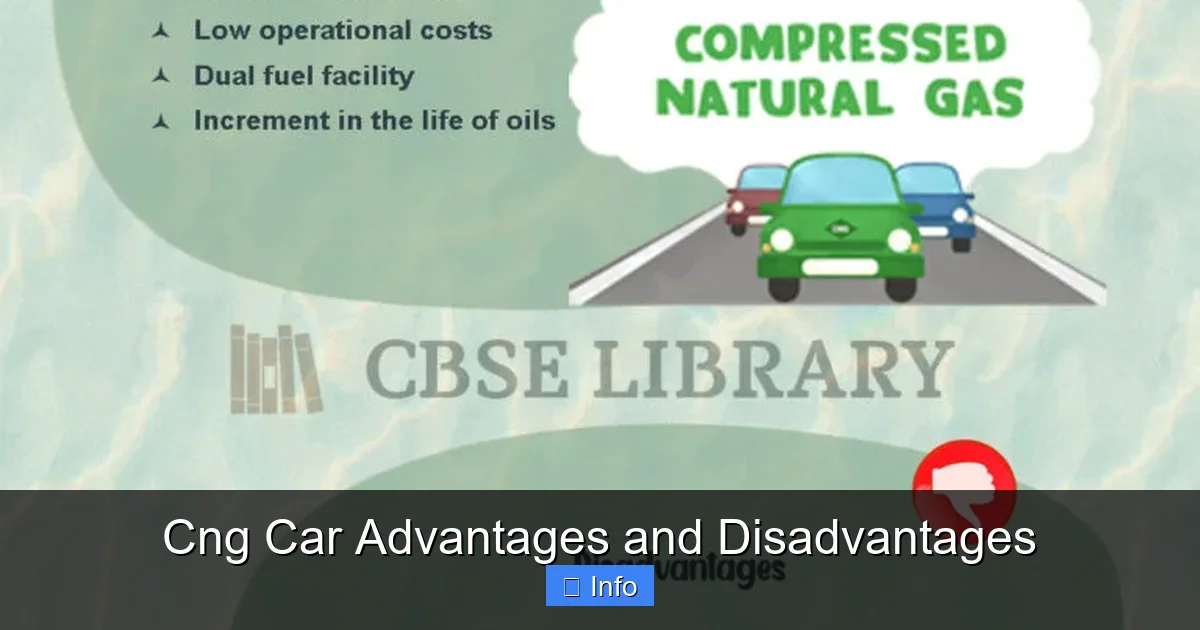
CNG cars offer lower running costs and cleaner emissions compared to petrol or diesel vehicles. However, they come with trade-offs like reduced boot space and a limited refueling network. This guide explains the CNG car advantages and disadvantages in simple terms so you can decide if CNG fits your lifestyle and budget.
Key Takeaways
- Lower Running Costs: CNG costs significantly less per kilometer than petrol or diesel, making it ideal for high monthly mileage.
- Eco-Friendly Fuel: CNG produces fewer harmful emissions and helps reduce your carbon footprint on daily drives.
- Boot Space Loss: CNG cylinders take up a large portion of the trunk, leaving less room for luggage.
- Refueling Challenges: CNG stations are not as common as petrol pumps, especially on highways and in smaller towns.
- Performance Trade-Off: CNG cars may feel slightly less powerful than their petrol variants, especially during overtaking.
- Safety and Certification: Factory-fitted CNG systems are safer, and cylinders require periodic testing and certification.
- Best for City Use: CNG makes the most sense for urban commuters, taxi drivers, and fleet owners with fixed routes.
📑 Table of Contents
Is a CNG Car Right for You? An Honest Look at CNG Car Advantages and Disadvantages
Fuel prices keep climbing, and many car buyers are searching for a cheaper way to drive. If you have been thinking about switching to a CNG car, you are not alone. Millions of drivers in India and around the world have already made the move. But before you sign the papers, it is smart to understand the full picture.
CNG stands for Compressed Natural Gas. It is a cleaner-burning fuel that costs less than petrol or diesel. Still, it is not perfect for everyone. In this article, we will walk through the CNG car advantages and disadvantages in plain language. By the end, you will know whether CNG suits your daily commute, your budget, and your driving habits.
Think of this as a friendly chat over coffee. No jargon, no complicated engineering, just the facts you need to make a confident decision. We will cover costs, space, performance, safety, and everything in between.
What Is a CNG Car and How Does It Work?
Understanding CNG Technology
A CNG car runs on compressed natural gas stored in high-pressure cylinders. These cylinders are usually fitted under the rear seats or in the boot. The gas travels through pipes to the engine, where it mixes with air and burns to produce power. Most CNG cars are bi-fuel, which means they can run on both CNG and petrol. You can switch between the two with a simple button or knob inside the car.

Visual guide about Cng Car Advantages and Disadvantages
Image source: cbselibrary.com
Because CNG is a gas rather than a liquid, it needs strong, specially designed tanks. These tanks are built to withstand high pressure and are tested for safety. When you drive on CNG, the engine burns cleaner fuel, which means fewer deposits inside the engine and less pollution coming out of the exhaust. The result is a quieter ride and a smaller carbon footprint.
Factory-Fitted vs Aftermarket CNG Kits
You can buy a car that comes with CNG from the factory, or you can install an aftermarket CNG kit in a petrol car. Factory-fitted CNG cars are designed by the manufacturer to handle the fuel from day one. They often come with better warranty coverage and smoother performance. Aftermarket kits can be cheaper upfront, but they must be installed by approved technicians and registered with the transport authority.
If you are looking at affordable options, check out the Eeco Car 7 Seater CNG Price Ahmedabad for a practical family choice that comes factory-ready.
Top Advantages of CNG Cars
Lower Running Costs Save Money Every Month
The biggest reason people choose CNG is the price. CNG is cheaper per kilogram than petrol or diesel per liter. More importantly, CNG cars deliver excellent mileage. A typical CNG car can run many more kilometers on the same budget compared to a petrol car. If you drive fifty or sixty kilometers every day, the savings add up quickly.
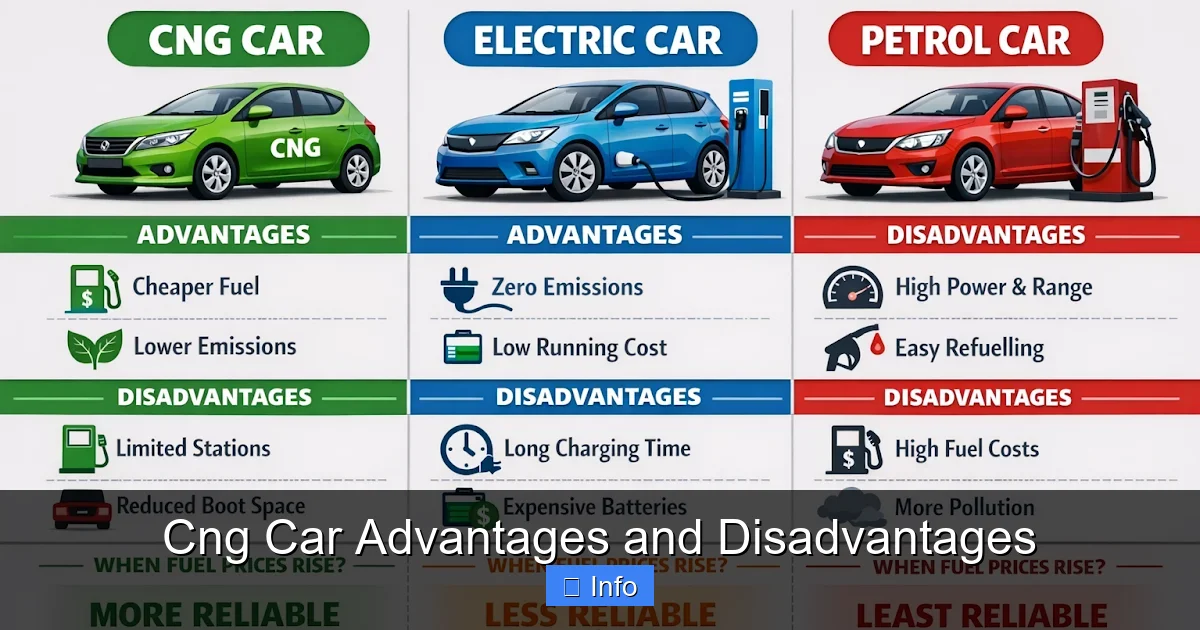
Visual guide about Cng Car Advantages and Disadvantages
Image source: blogger.googleusercontent.com
For example, if your monthly fuel budget is tight, switching to CNG can free up money for other expenses. Over a year, the difference can be thousands of rupees. This makes CNG especially attractive for taxi drivers, delivery agents, and anyone with a long daily commute. Even a small saving per kilometer becomes a large saving over ten thousand kilometers.
Cleaner Emissions for a Greener Planet
CNG burns cleaner than petrol or diesel. It releases less carbon dioxide, nitrogen oxides, and particulate matter. If you care about air quality in your city, a CNG car is a responsible choice. The exhaust smells less harsh, and you contribute less to smog and respiratory problems.
Many governments encourage CNG use because it helps meet environmental goals. Some cities even offer special permits or lower taxes for CNG vehicles. Driving a CNG car lets you do your part for the environment without giving up personal mobility. You can feel good every time you start the engine.
Longer Engine Life and Less Wear
Because CNG is a clean-burning gaseous fuel, it leaves fewer carbon deposits inside the engine. This means engine oil stays cleaner for longer, and components like spark plugs and valves may last longer. Mechanics often say that CNG engines experience less wear and tear, which can translate into lower maintenance bills over time.
Of course, regular servicing is still important. But you may find yourself spending less on engine-related repairs compared to a petrol car that has run the same distance. Cleaner fuel means a cleaner engine, and that is a win for your wallet.
Smooth and Quiet Driving Experience
CNG engines tend to run quieter than diesel engines. The combustion process is smoother, and there is less vibration. For city driving, this makes the ride more comfortable. You will not hear the loud clatter often associated with older diesel cars, and the refinement can be quite pleasant on stop-and-go traffic.
Many drivers say that CNG feels refined in urban settings. It is not as loud, and the engine does not feel stressed during normal city speeds. This makes daily commuting less tiring.
Major Disadvantages of CNG Cars
CNG Cylinders Eat Up Boot Space
This is the most common complaint among CNG car owners. The CNG cylinder is bulky. In hatchbacks and compact sedans, it often occupies a large chunk of the boot. If you love road trips with lots of luggage, you may find the space too tight. Some cars place the cylinder under the rear seat, which helps, but you still lose some room compared to a pure petrol model.
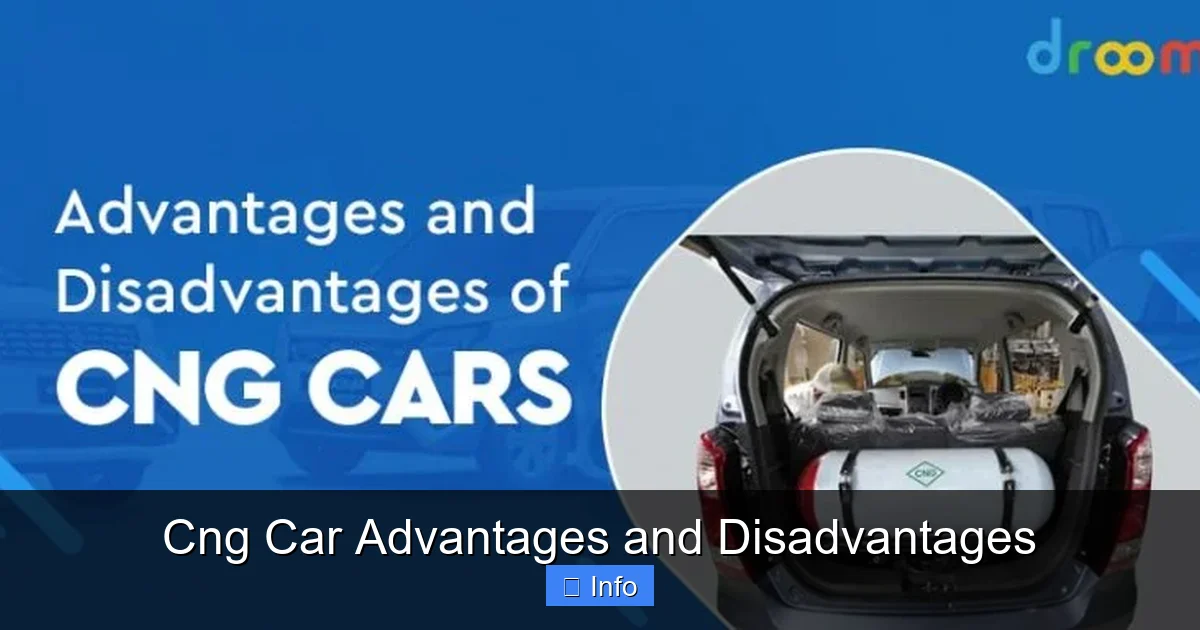
Visual guide about Cng Car Advantages and Disadvantages
Image source: blog.droom.in
Families who need to carry strollers, suitcases, or sports equipment should test the boot space before buying. It is a real lifestyle factor, not just a minor inconvenience. You might have to leave behind the extra bag on a weekend outing.
Limited CNG Station Network
CNG stations are growing in number, but they are still not as widespread as petrol pumps. In big cities, you will find stations fairly easily. In smaller towns or on long highway stretches, you might have to plan your route carefully. Running out of CNG is more stressful than running out of petrol because help is harder to find.
If you live in Ahmedabad, for instance, you can locate a Sahara Petroleum Online Sabarmati Car CNG Gas Station to refuel conveniently. But if your daily route takes you far from such stations, CNG might become a hassle. Always know where the nearest station is before you start a long trip.
Slight Drop in Performance
CNG cars generally produce a bit less power than their petrol counterparts. You may notice slower acceleration and a less responsive feel when overtaking on highways. The car is perfectly fine for city speeds, but it is not built for spirited driving. If you enjoy quick pick-up and sporty handling, CNG might feel underwhelming.
That said, modern factory-fitted CNG engines are much better than older aftermarket setups. The gap is narrowing, but it still exists. For most daily drivers, the difference is not a dealbreaker.
Higher Initial Purchase Price
A CNG car usually costs more upfront than the same model in petrol. Whether you buy factory-fitted or install a kit later, you are paying extra for the CNG hardware. The good news is that you recover this cost through fuel savings over time. But if you plan to keep the car for only two or three years, you might not break even.
Insurance premiums can also be slightly higher for CNG vehicles because of the added equipment. It is worth getting a quote before you buy. Do the math and see if the savings justify the extra cost.
Safety Checks and Cylinder Certification
CNG cylinders operate under high pressure, so safety is critical. In many regions, cylinders must be tested and certified every few years. You cannot skip these inspections. If you buy a used CNG car, you must check whether the cylinder is within its valid testing period. Failure to comply can lead to fines or, worse, safety risks.
Always get your CNG system installed and maintained by authorized professionals. Cutting corners here is never worth the risk. A well-maintained CNG system is safe, but neglect can be dangerous.
CNG vs Petrol vs Diesel at a Glance
How does CNG stack up against the other common fuels? Here is a simple breakdown to help you compare.
- Fuel Cost: CNG is the cheapest per kilometer. Petrol is the most expensive. Diesel sits in the middle.
- Emissions: CNG is the cleanest. Diesel produces the most particulates. Petrol is moderate.
- Performance: Petrol offers the best acceleration. Diesel provides strong torque. CNG is adequate but not exciting.
- Refueling Convenience: Petrol pumps are everywhere. Diesel pumps are also common. CNG stations require planning.
- Best For: CNG for high city mileage. Petrol for low daily driving. Diesel for long highway journeys.
There is no single best fuel for everyone. Your choice depends on how much you drive, where you drive, and what you carry in your car.
Who Should Buy a CNG Car?
Ideal for High Monthly Mileage
If you drive more than forty or fifty kilometers a day, CNG can save you a lot of money. The fuel cost advantage becomes meaningful only when you cover enough distance. For someone who drives just ten kilometers to work and back, petrol might be simpler and cheaper in the long run.
City Commuters and Fleet Owners
CNG shines in urban environments. Taxi drivers, app-based cab operators, and delivery fleets love CNG because of the low running cost and easy access to city CNG stations. If your driving is mostly within city limits and you have a station nearby, CNG is a strong contender.
Buying pre-owned? The Second Hand Eeco Car 7 Seater CNG Price listings show how CNG models hold up in the used market and what you can expect to pay.
Who Should Skip CNG
If you rarely drive, need maximum boot space, or travel often to remote areas, CNG may not suit you. The inconvenience of finding stations and the loss of luggage space can outweigh the fuel savings. Be honest about your driving habits before you decide.
Smart Tips for CNG Car Owners
Get a Factory-Fitted Kit Whenever Possible
Factory-fitted CNG systems are engineered by the carmaker. They integrate better with the engine, come with warranties, and usually have better resale value. If you are buying new, choose a factory CNG variant over installing a kit later.
Never Skip Cylinder Testing
Mark your calendar for cylinder testing dates. Driving with an expired or damaged cylinder is dangerous and illegal in many places. Keep the certification documents in your car at all times.
Keep the Petrol Tank Full Too
Since CNG stations are not everywhere, always keep some petrol in the tank as a backup. You can switch to petrol if you cannot find a CNG station or if you are heading on a long trip.
Drive Smoothly for Better Mileage
Aggressive acceleration burns more fuel, whether it is CNG or petrol. Drive at steady speeds, avoid sudden braking, and maintain proper tire pressure. These small habits can improve your CNG mileage noticeably.
Service Regularly at Authorized Centers
CNG systems need specialized care. Always take your car to an authorized service center that understands CNG. Regular checks of pipes, filters, and the ECU can prevent bigger problems later.
Conclusion
CNG cars bring real benefits, especially for budget-conscious drivers who cover long distances in the city. Lower fuel costs, cleaner emissions, and reduced engine wear make them a practical choice. But they are not without drawbacks. Lost boot space, fewer refueling stations, and modest performance are factors you cannot ignore.
The decision comes down to your driving pattern. If you have a reliable CNG station near your home or office and you drive enough kilometers each month, the advantages of a CNG car far outweigh the disadvantages. If you drive occasionally or need maximum boot space, a petrol car might serve you better.
Take your time, test drive both CNG and petrol models, and calculate your monthly fuel savings. The right choice is the one that fits your life, not just your fuel bill. Talk to current CNG owners, visit a station, and see if the routine works for you.
Frequently Asked Questions
Is CNG better than petrol for daily use?
Yes, CNG is better for daily use if you drive long distances in the city because it costs less per kilometer. For short occasional trips, petrol is more convenient due to wider fuel availability.
Does CNG reduce engine life?
No, CNG does not reduce engine life when the system is properly installed and maintained. In fact, its clean-burning nature can lead to fewer carbon deposits and less engine wear over time.
Can I install CNG in any car?
Most petrol cars can be fitted with an aftermarket CNG kit, but it must be done by an authorized installer and registered with the transport department. Factory-fitted CNG is always the safer and more reliable option.
How often should CNG cylinders be tested?
CNG cylinders typically need testing and certification every three to five years, depending on local regulations. Always check the validity date and keep the certificate in your vehicle.
Does CNG affect car insurance?
Yes, adding a CNG kit can slightly increase your insurance premium because it adds valuable equipment to the car. You should also inform your insurer about the CNG installation to keep your policy valid.
What is the mileage of a CNG car?
CNG mileage varies by car model, but most CNG cars deliver significantly more kilometers per unit of money compared to petrol. You can expect roughly 20 to 30 kilometers per kilogram of CNG in many popular hatchbacks.