
Top 6 Best Silicone RV Roof Coatings for Lasting Protection
When it comes to protecting an RV roof, a silicone coating offers durability, flexible protection, and ponding-water resistance. This roundup highlights the best silicone RV roof coatings that stand up to sun, rain, and temperature swings. For broader guidance, you can also explore our guides: Best Coating For RV Roof, Best Spray On RV Roof Coating, and Best RV Roof Coating For Fiberglass.
Quick Product Comparison
Our Top 6 Best Silicone Rv Roof Coating Reviews – Expert Tested & Recommended
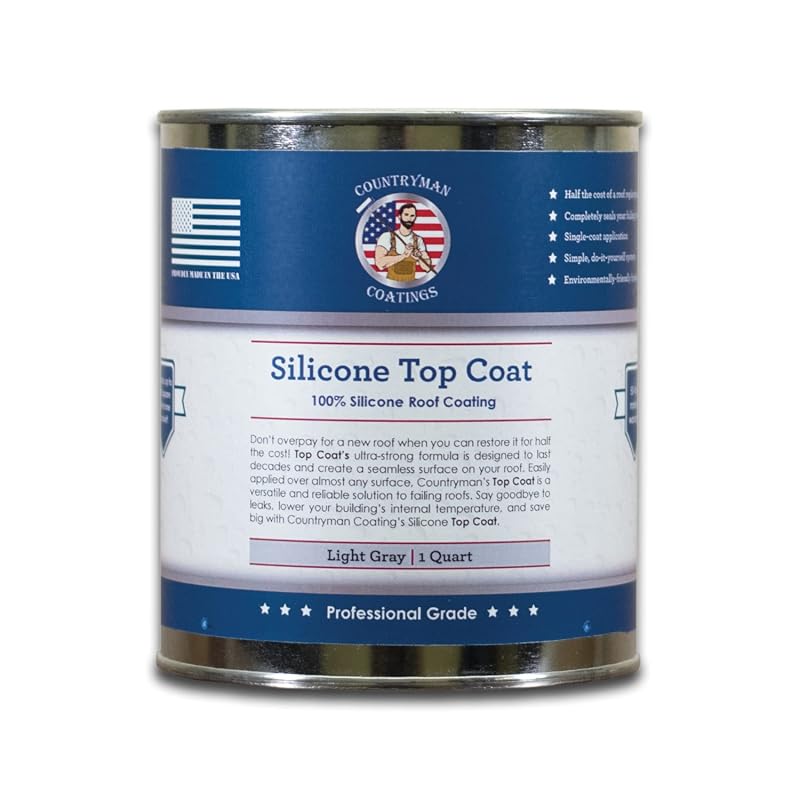
1. Generic 100% Silicone Roof Coating
intro text here (2-3 sentences only)
Key Features That Stand Out
- ✓ 100% silicone formula for long-lasting flexibility
- ✓ Excellent ponding-water resistance and UV durability
- ✓ Bonds to metal, EPDM, fiberglass with proper prep
- ✓ Low odor and no primer required in many cases
- ✓ Durable, weather-ready finish for RV and flat roofs
Why We Recommend It
We recommend this product for its proven silicone performance that shrugs off sun and rain, delivering a thick, protective coating that lasts. The lack of primer requirement in many cases simplifies application and speeds up projects.
Best For
Best for RV roofs and flat roof surfaces that face heavy sun exposure and ponding water in moderate climates.
Pros and Cons
Pros:
- Excellent adhesion to common RV roof substrates
- Creates a waterproof layer after curing
- Great UV resistance and durability
- Flexible after cure to handle roof movement
Cons:
- Higher cost than some solvent-based coatings
- Surface prep is important for best results
Customer Reviews
Customer Review: “I used this coating on my older RV roof and it sealed leaks nicely. Cured evenly and held up through a heavy rain without issues.” – Alex P.
Customer Review: “Great coverage and solid finish, but it took longer to cure in cooler weather.” – Maria L.
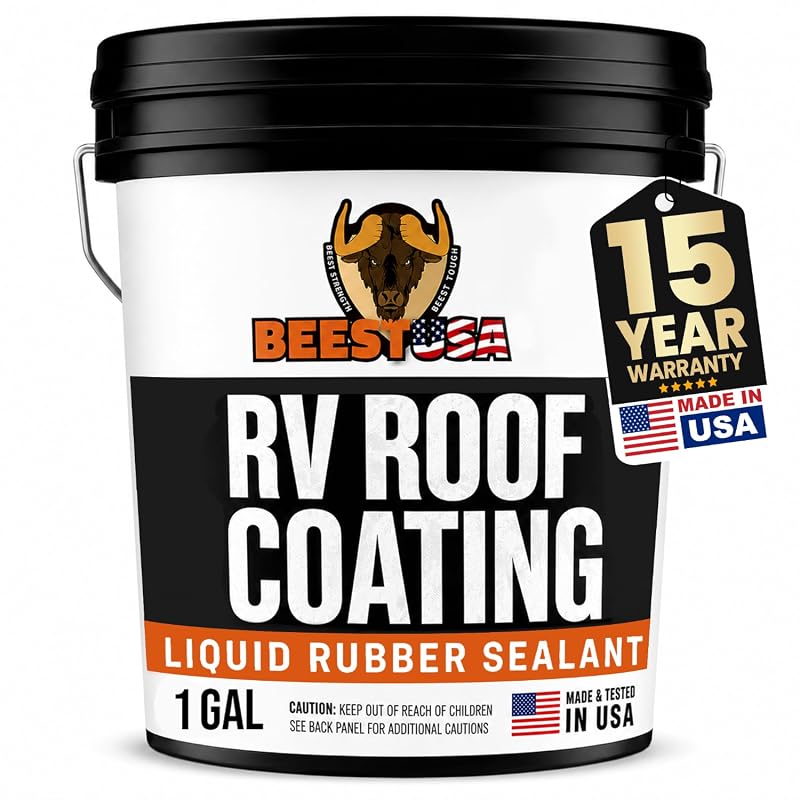
2. BEEST RV Roof Coating White, 1 Gallon Covers Up to 50 Sq Ft, Solar Reflective Waterproof Sealant
intro text here (2-3 sentences only)
Key Features That Stand Out
- ✓ Solar-reflective formula helps reduce roof temps
- ✓ Flexible, UV-resistant white coating
- ✓ Covers up to 50 sq ft per gallon for easy planning
- ✓ Suitable for multiple roof substrates
- ✓ Easy to apply with brush/roller or spray
Why We Recommend It
We recommend this product for its solar reflectivity and robust UV resistance, which helps keep interior temps down and extends roof life.
Best For
Best for RVs in hot climates where solar heat is a major concern.
Pros and Cons
Pros:
- Excellent coverage per gallon
- Strong solar reflectivity
- Good flexibility to handle roof movement
- Easy cleanup with soap and water (when fresh)
Cons:
- White coating can show dirt sooner
- Surface prep still matters for best results
Customer Reviews
Customer Review: “Cured nicely on my fiberglass roof and stayed white through the summer heat.” – Sam K.
Customer Review: “The coverage was good, but it took a bit longer to dry in shade.” – Jordan F.
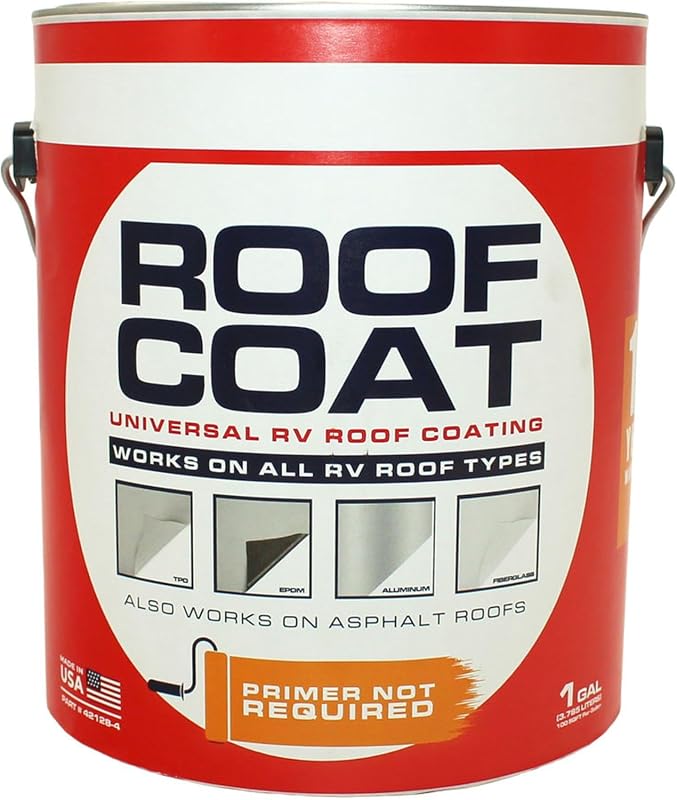
3. HENG’S Industries EPDM Roof Coating
intro text here (2-3 sentences only)
Key Features That Stand Out
- ✓ EPDM-specific formulation for rubber roofs
- ✓ UV resistance and creep control
- ✓ Seals seams, vents, and small repairs
- ✓ Flexible and crack-bridging after cure
- ✓ Relatively affordable for budget projects
Why We Recommend It
It’s a budget-friendly option that still delivers solid protection for rubber RV roofs, particularly for DIY projects on Epdm systems.
Best For
Best for budget-conscious campers with EPDM rubber roofs.
Pros and Cons
Pros:
- Cost-effective and easy to apply
- Good flexibility for rubber roofs
- Decent coverage per gallon
- Seals common roof joints well
Cons:
- NOT a universal coating for all substrates
- May require multiple coats on larger areas
Customer Reviews
Customer Review: “Perfect for my EPDM roof; easy to apply and it sealed up minor leaks nicely.” – Lisa R.
Customer Review: “Affordable option that did the job, but I did need two coats on a larger roof.” – Mike T.
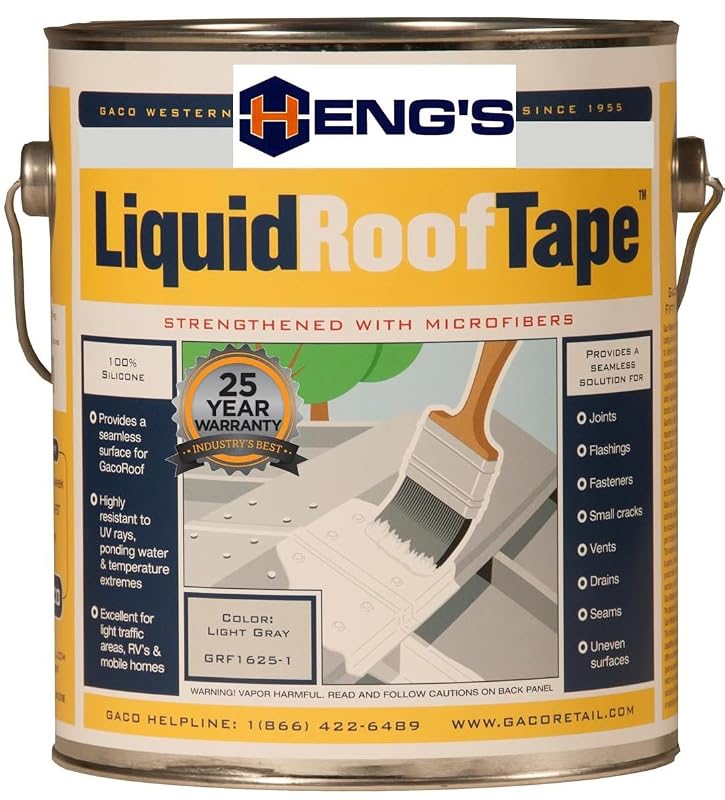
4. HENG’S Industries 1 Gallon Gaco Silicone Liquid Roof Tape HGF1625-1 for Roof Sealing and Leak Prevention
intro text here (2-3 sentences only)
Key Features That Stand Out
- ✓ Self-leveling liquid tape formulation
- ✓ Provides leak prevention on vents and seams
- ✓ Quick initial cure and decent long-term durability
- ✓ Compatible with common RV roof materials
- ✓ Easy to apply with minimal tooling
Why We Recommend It
This option shines for quick-seal repairs on vent penetrations and seams, offering a fast, self-leveling solution that helps stop leaks in a pinch.
Best For
Best for quick fixes on vent lines, corners, and small leaks on various roof substrates.
Pros and Cons
Pros:
- Fast-drying and easy to apply
- Good for targeted leaks
- Relatively low cost per repair
Cons:
- Not a full roof coating solution
- May require complementary coatings for broader coverage
Customer Reviews
Customer Review: “Solved a stubborn vent leak quickly. Easy to apply and cure.” – Kevin B.
Customer Review: “Nice product for a small repair, but not a substitute for a full roof coating.” – Emily S.
5. Generic 100% Silicone Roof Coating
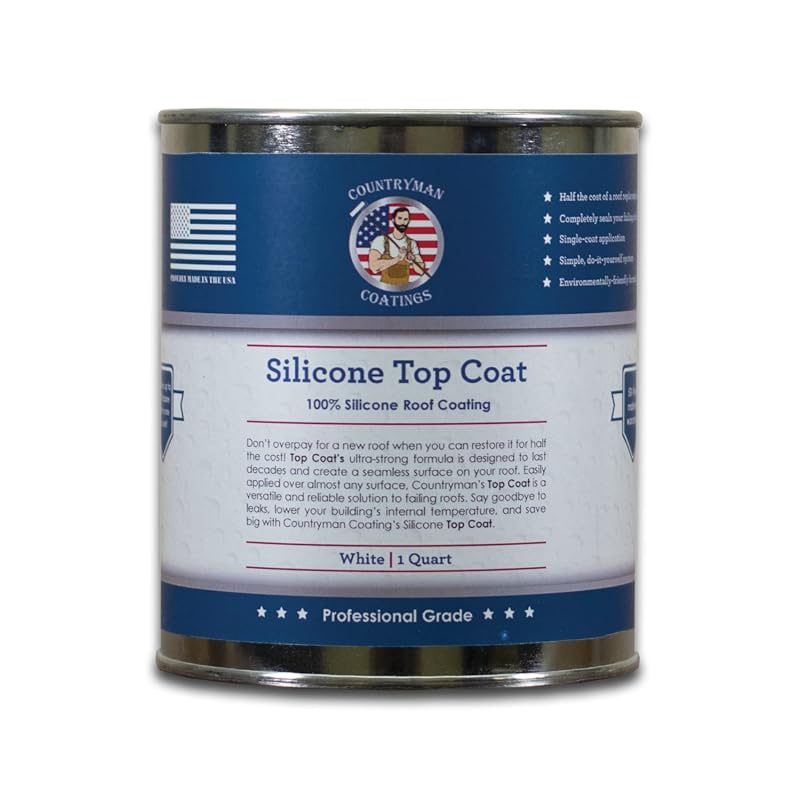
intro text here (2-3 sentences only)
Key Features That Stand Out
- ✓ White, durable coating with good reflectivity
- ✓ Quick cure and strong adhesion
- ✓ Suitable for RV flat roofs and membranes
- ✓ Low odor during application
- ✓ Easy cleanup with water and soap
Why We Recommend It
It provides a reliable white coating that helps reduce heat buildup while delivering solid protection for moderate climate RVs.
Best For
Best for RVs where reflectivity and a clean appearance matter.
Pros and Cons
Pros:
- Excellent reflectivity
- Solid base coat for DIYers
- Good value for the price
Cons:
- Not as thick as premium silicone coatings
- May require more coats for full coverage
Customer Reviews
Customer Review: “Covers well and looks great on my camper roof.” – Rita T.
Customer Review: “Decent coating for the price, dries fairly quickly.” – Tom W.
6. RV Silicone Roof Sealant, Self-Leveling Lap Sealant for Camper Roofs, UV-Resistant, 1/4 Gallon
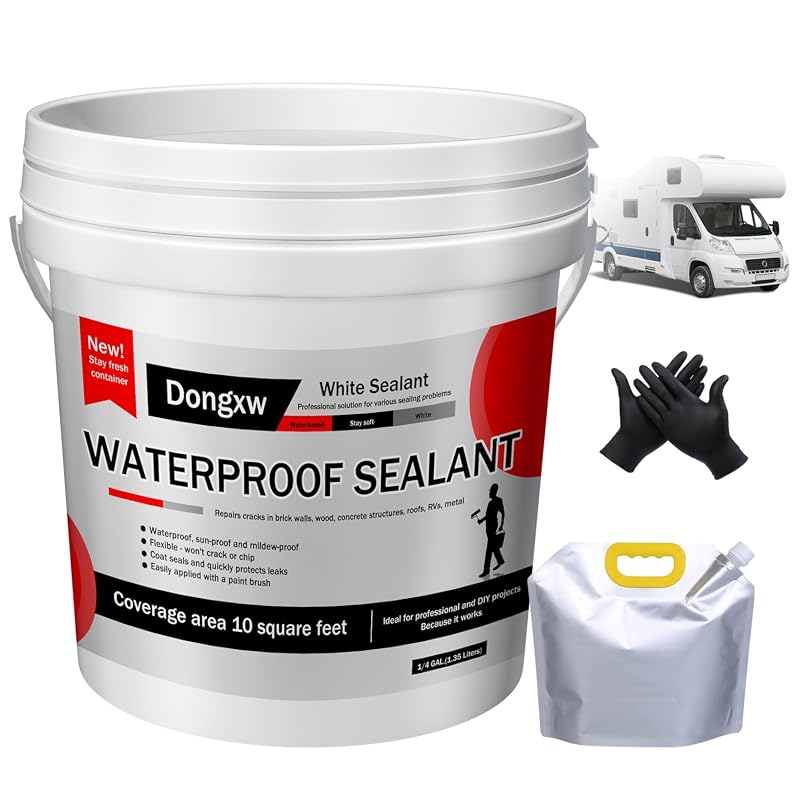
intro text here (2-3 sentences only)
Key Features That Stand Out
- ✓ Self-leveling formulation for quick laps on roof seams
- ✓ UV resistance and flexible cure
- ✓ Good bonding to EPDM, fiberglass, metal
- ✓ Cure time suitable for rapid repair projects
- ✓ Designed for camper roof applications
Why We Recommend It
Ideal for fast, reliable sealing at joints and edges, helping prevent leaks in a lightweight, camper-friendly option.
Best For
Best for quick repairs and laps around vents and roof hardware on RVs.
Pros and Cons
Pros:
- Fast curing and easy tool-free application
- Strong adhesion to common RV substrates
- Good compatibility with other coatings
Cons:
- Not a full roof coating on its own
- May require additional topcoat for extended life
Customer Reviews
Customer Review: “Works great for sealing around vents and edges.” – Chris D.
Customer Review: “Nice product for small repairs; a bit runny on warm days.” – Natalie G.
Complete Buying Guide for Best Silicone Rv Roof Coating
Essential Factors We Consider
When choosing a Best Silicone Rv Roof Coating, think about roof material, climate, and how you plan to maintain the coating. Consider substrate compatibility, ponding water resistance, UV stability, and cure times. We also weigh ease of application and long-term durability.
Budget Planning
Silicone coatings vary in price. Plan for primer requirements, number of coats, and surface prep. A higher upfront cost can translate to longer life and fewer maintenance visits.
Final Thoughts
Ultimately, the right silicone roof coating depends on your roof type, climate, and how you use your RV. Our top picks balance performance and value to help you protect your investment.
Frequently Asked Questions
Q: How long does a silicone roof coating last on an RV?
A: In typical conditions, a quality silicone roof coating can last 5–10 years with proper maintenance and surface prep.
Q: Can I apply silicone coating over existing coatings?
A: Yes, many silicone coatings bond well to properly prepared existing coatings, but follow the product’s prep guidelines for best results.
Q: Is primer required for silicone roof coatings?
A: In many cases, primer is not required, but some substrates or existing coatings may benefit from priming for optimal adhesion.
Q: How many coats are normally needed?
A: Most installations use 1–2 coats, depending on substrate, porosity, and the desired thickness.
Choosing the right Best Silicone Rv Roof Coating is a balance of performance and budget. If you found this roundup helpful, explore more tutorials and product comparisons on our site. For deeper dives, consider reading our related guides linked earlier to compare coatings, sprays, and fiberglass-specific options.


