Car Manufacturing Companies in Mumbai
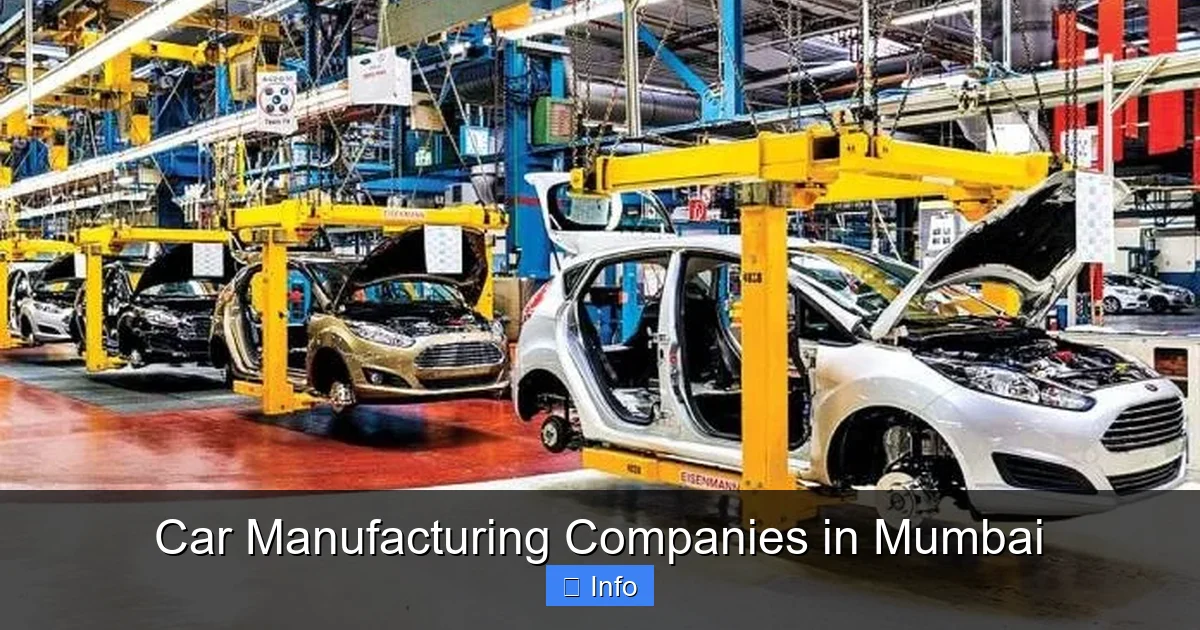
Mumbai stands as a pivotal hub for car manufacturing companies in Mumbai, hosting industry giants that shape India’s automotive future. These companies produce a diverse range of vehicles, from commercial trucks to SUVs, and they drive significant employment and innovation in the region. Their presence not only boosts the local economy but also positions Mumbai as a key player in the national automotive landscape.
Mumbai, the bustling financial capital of India, is also a significant hub for automotive production. The city is home to several car manufacturing companies in Mumbai that have shaped the nation’s mobility landscape for decades. From heavy‑duty trucks to sleek passenger cars, these companies cater to a wide range of needs and have become integral to the local economy.
The evolution of the automotive sector in Mumbai reflects the broader industrial growth of the region. In the early 20th century, small workshops assembled vehicles, but today, large, state‑of‑the‑art plants operate with advanced robotics and lean manufacturing principles. This transformation has not only increased output but also attracted a skilled workforce and spurred ancillary industries.
Key Takeaways
- Tata Motors: Headquartered in Mumbai, it manufactures commercial vehicles, passenger cars, and electric vehicles.
- Mahindra & Mahindra: Operates a large plant in Kandivali, producing SUVs and utility vehicles.
- Component Suppliers: Numerous tier‑1 and tier‑2 suppliers cluster around the city, supporting assembly lines.
- Export Hub: Mumbai’s port facilitates shipping of vehicles to international markets.
- Government Incentives: Policies promote EV manufacturing and green technology adoption.
- Workforce: Skilled labor and engineering talent are abundant, fueling growth.
📑 Table of Contents
Historical Evolution of Car Manufacturing in Mumbai
Early Beginnings
The story starts in the 1920s when local entrepreneurs began importing and assembling foreign vehicles. These modest operations laid the foundation for what would become a major industry. By the 1950s, the government’s focus on self‑reliance encouraged domestic production, leading to the establishment of the first large‑scale plants. One of the earliest ventures was the Mumbai Automobile Works, which assembled trucks from imported chassis. This venture proved that local assembly could meet the growing demand for transport in the city.
Post‑Independence Growth
After independence, the automotive sector received a boost through policy support and investment. Companies like Tata Motors set up their headquarters in Mumbai, leveraging the city’s port and financial infrastructure. Over the years, the industry expanded into new segments, including commercial vehicles, SUVs, and eventually electric cars. For a look at how other cities are developing their automotive clusters, see our article on Car Manufacturing Companies In Ahmedabad. In the 1980s, the government introduced the Motor Vehicle Act, which standardized safety and emission norms, further propelling growth.
Liberalization and Globalization
The economic reforms of 1991 opened the Indian market to foreign players, prompting local manufacturers to upgrade their technology and product quality. Joint ventures with global firms introduced new platforms and manufacturing techniques, such as just‑in‑time production and computer‑aided design. This era also saw the emergence of tier‑1 suppliers that could meet international standards, strengthening the overall ecosystem.
The 2000s witnessed the introduction of computer‑aided manufacturing and the adoption of Six Sigma methodologies, which further improved quality and reduced waste. These advancements helped Mumbai‑based plants compete with international counterparts and attract foreign direct investment.
Key Players in the Mumbai Automotive Scene
Tata Motors
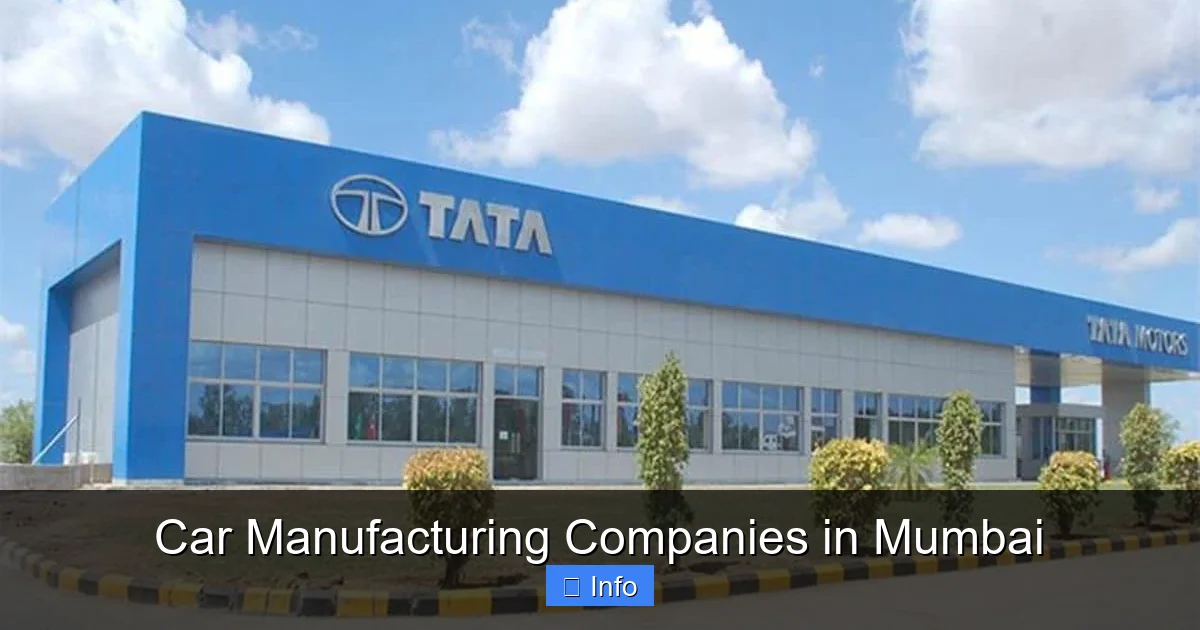
Tata Motors, headquartered in Mumbai, is one of India’s largest automakers. The company produces a diverse portfolio, ranging from heavy commercial vehicles like the Tata Prima to passenger cars such as the Tata Altroz. Its manufacturing facilities in the nearby Pune region benefit from the city’s logistical advantages. In addition to conventional models, Tata has invested heavily in electric vehicles, launching the Tigor EV and Nexon EV, which are gaining popularity among urban buyers.
Visual guide about Car Manufacturing Companies in Mumbai
Image source: manufacturingtodayindia.com
Mahindra & Mahindra
Mahindra & Mahindra operates a major plant in Kandivali, a suburb of Mumbai. This facility manufactures popular SUVs like the Mahindra XUV700 and utility vehicles that serve both domestic and export markets. Mahindra’s focus on rugged, durable vehicles has earned it a loyal customer base. The company also has a dedicated R&D center in the city, working on next‑generation powertrains and connected car technologies.
Other Notable Firms
Beyond these giants, several smaller manufacturers and component suppliers contribute to the ecosystem. Companies such as Bajaj Auto and TVS Motor have a presence in the region, though their primary plants are located elsewhere. Nevertheless, their sales and distribution networks are tightly integrated with Mumbai’s market. The Maruti Suzuki Ertiga is a common sight on Mumbai roads, illustrating the demand for family‑friendly vehicles. Additionally, numerous tier‑2 suppliers produce parts like brake systems, lighting, and interior trim, which are essential for final assembly.
Supplier Clusters
The area around Mumbai hosts clusters of specialized suppliers, including those in Bhiwandi and Taloja. These clusters benefit from shared infrastructure and a pool of skilled labor, enabling them to deliver high‑quality components at competitive prices. Many of these suppliers are certified by international bodies, allowing them to export to markets in Europe and North America.
The competitive landscape is evolving, with new entrants from the electric vehicle startup scene challenging established players. These startups often focus on niche segments such as electric three‑wheelers or high‑performance electric SUVs, fostering innovation and diversifying the market.
Manufacturing Infrastructure and Supply Chain
Plant Locations
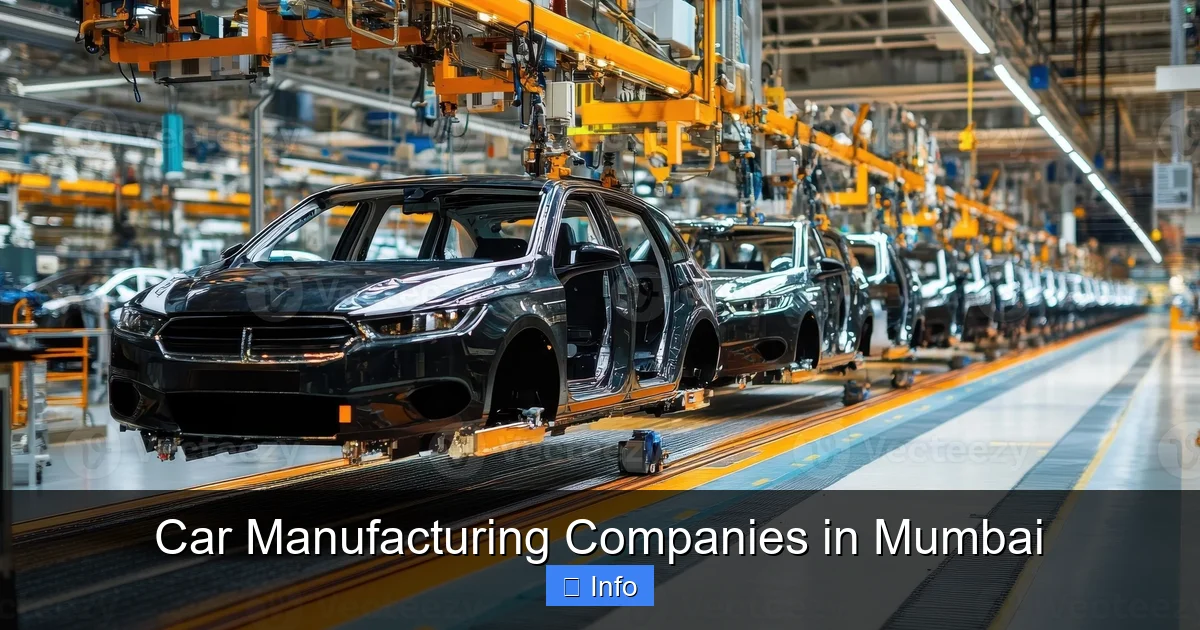
The major manufacturing plants are situated in industrial belts around Mumbai, including Chakan, Waluj, and Bhiwandi. These locations are chosen for their proximity to highways, railways, and the Jawaharlal Nehru Port Trust, which facilitates efficient import of components and export of finished vehicles. The Chakan plant, for instance, spans over 500 acres and houses multiple assembly lines, a paint shop, and a testing facility.
Visual guide about Car Manufacturing Companies in Mumbai
Image source: static.vecteezy.com
Supply Chain Network
A dense network of tier‑1 and tier‑2 suppliers supports the assembly lines. These suppliers produce everything from engines and transmissions to electronic control units. The clustering of suppliers reduces logistics costs and enables just‑in‑time delivery, a critical factor for maintaining production schedules. Many manufacturers use vendor‑managed inventory systems, where suppliers monitor stock levels and deliver parts as needed.
Technology and Automation
Modern plants employ robotic arms, automated guided vehicles, and advanced welding techniques. These technologies improve precision, reduce cycle times, and enhance worker safety. Investment in digital twins and IoT sensors allows engineers to monitor performance in real time, predicting maintenance needs before failures occur. Additionally, some factories are piloting 5G connectivity to enable faster data exchange between machines.
Green Initiatives
To meet environmental standards, plants have adopted measures such as rainwater harvesting, solar power installations, and waste recycling programs. These efforts not only reduce the carbon footprint but also lower operating costs in the long run. For example, the Waluj facility generates a significant portion of its electricity from rooftop solar panels.
Smart factory concepts, including automated warehousing and robotic process automation, are being piloted to further streamline operations. These initiatives aim to reduce human error, improve energy efficiency, and enable mass customization.
Product Portfolio and Innovation
Commercial Vehicles
Mumbai’s manufacturers produce a wide range of commercial vehicles, including trucks, buses, and vans. These vehicles are essential for the city’s logistics sector, supporting everything from e‑commerce deliveries to public transportation. The focus on fuel efficiency and low emissions is a key selling point. Recent models feature telematics systems that help fleet operators monitor fuel consumption and driver behavior in real time.
Visual guide about Car Manufacturing Companies in Mumbai
Image source: saveasweb.com
Passenger Cars and SUVs
The passenger segment includes compact cars, sedans, and SUVs that cater to diverse consumer preferences. Models like the Tata Harrier and Mahindra Thar have received accolades for design and performance. The introduction of mild‑hybrid and full‑hybrid variants reflects the industry’s shift toward greener technologies. Additionally, manufacturers are experimenting with connected features such as over‑the‑air updates and voice‑activated controls.
Electric Vehicle Initiatives
With government incentives and rising fuel prices, electric vehicles (EVs) are gaining traction. Tata Motors has launched models such as the Tigor EV and Nexon EV, while Mahindra is developing new electric SUVs. Charging infrastructure is expanding, with fast‑charging stations appearing along major highways. To encourage adoption, some companies offer battery‑as‑a‑service options, reducing the upfront cost for buyers.
Consumers are increasingly seeking personalized features, leading manufacturers to offer configurable interiors and advanced infotainment systems. This trend towards customization is supported by modular vehicle platforms that allow rapid reconfiguration.
Economic Impact and Employment
Job Creation
The automotive sector directly employs hundreds of thousands of workers in Mumbai and surrounding areas. Jobs range from assembly line operators to software engineers working on autonomous driving features. Indirect employment in supplier firms and service providers multiplies this effect. Training programs and vocational schools have been set up to equip workers with the skills needed for modern manufacturing.
Local Economy Boost
Vehicle manufacturing stimulates related industries, including steel, rubber, and electronics. The presence of large plants attracts investment in housing, retail, and transportation infrastructure. For instance, the development of the Mumbai‑Pune Expressway was partly motivated by the need to connect manufacturing hubs. Understanding the profit margins in car dealership helps gauge the health of the manufacturing sector. Moreover, the tax revenue generated from these activities funds public services and infrastructure projects across the region.
Export Contribution
Mumbai’s port handles a significant portion of the country’s automotive exports, shipping vehicles to markets in Africa, the Middle East, and Southeast Asia. In 2022, the region exported over 200,000 units, contributing substantially to India’s foreign exchange earnings. The ability to produce vehicles that meet global quality standards has been a key factor in this success.
Wage levels in the automotive sector are generally higher than in other manufacturing industries, attracting skilled workers and supporting middle‑class growth in the region. However, maintaining competitiveness requires continuous investment in training and technology.
Future Outlook and Challenges
Opportunities
The push for electric mobility, coupled with smart city initiatives, presents growth avenues. Export potential to emerging markets in Africa and Southeast Asia is another promising frontier. Collaboration with technology firms on connected and autonomous vehicles could position Mumbai as an innovation hub. Government schemes like the Production Linked Incentive (PLI) program are also encouraging investment in advanced manufacturing.
Obstacles
Despite the positives, the industry faces challenges such as traffic congestion, high land costs, and stringent environmental regulations. Competition from other automotive clusters in Chennai and Pune also pressures local manufacturers to continuously innovate. Additionally, the global shift toward software‑defined vehicles requires significant upskilling of the workforce.
Sustainability and Circular Economy
Future growth will depend on the industry’s ability to adopt sustainable practices, including the use of recycled materials, remanufacturing of parts, and carbon‑neutral production methods. Companies that embrace these principles are likely to gain a competitive edge as consumers become more environmentally conscious.
Digital transformation, including the use of cloud computing and big data analytics, is enabling manufacturers to optimize production schedules, predict demand, and improve supply chain resilience. Embracing these technologies is essential for staying relevant in a rapidly changing market.
In summary, the car manufacturing companies in Mumbai form a vital part of India’s industrial fabric. Their ability to adapt to changing market demands, embrace technology, and contribute to the local economy underscores their importance. As the sector evolves, Mumbai is poised to remain a key player in the nation’s automotive story.
Frequently Asked Questions
Which are the major car manufacturing companies in Mumbai?
Tata Motors and Mahindra & Mahindra are the two largest car manufacturing companies based in Mumbai. They produce a wide range of vehicles, including commercial trucks, SUVs, and electric cars.
How has the automotive industry evolved in Mumbai?
The industry started with small assembly workshops in the early 1900s and grew into large, modern plants after independence. Economic reforms in the 1990s introduced advanced technology and global partnerships, further accelerating growth.
What types of vehicles are produced in Mumbai?
Manufacturers in Mumbai produce commercial vehicles like trucks and buses, as well as passenger cars and SUVs. There is also a growing focus on electric vehicles and hybrid models.
How does the Mumbai automotive cluster support the local economy?
The cluster creates thousands of direct and indirect jobs, stimulates related industries such as steel and electronics, and generates significant tax revenue. It also attracts investment in infrastructure and housing.
What are the future trends for car manufacturing in Mumbai?
Future trends include increased adoption of electric and connected vehicles, expansion of export markets, and integration of smart manufacturing technologies. Sustainability and circular economy practices are also expected to play a larger role.
Are there any electric vehicle initiatives by Mumbai manufacturers?
Yes, Tata Motors has launched models like the Tigor EV and Nexon EV, while Mahindra is developing new electric SUVs. Both companies are also investing in charging infrastructure and battery technology.