How to Remove Fungus from Car Seat
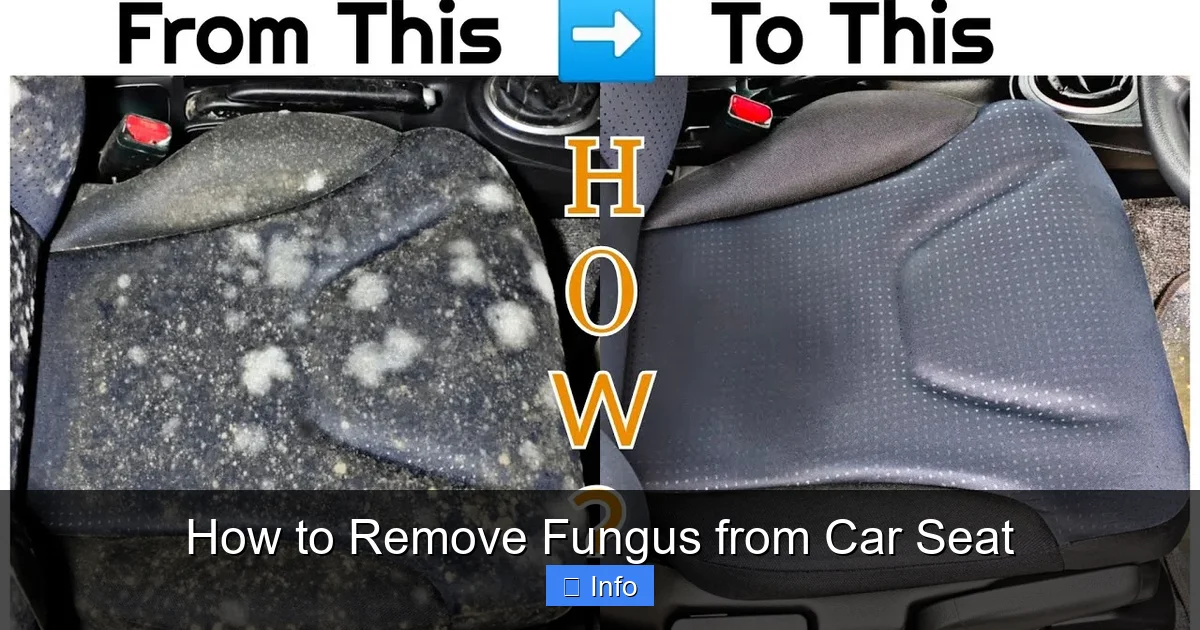
Fungus on a car seat is more than an ugly smell. It is a health risk that spreads fast in warm, damp cabins. Learning how to remove fungus from car seat surfaces means killing the spores, not just wiping away the surface fuzz. With white vinegar, baking soda, sunlight, and a little patience, most seats can be saved in one afternoon.
Key Takeaways
- Act fast: fungus spreads across fabric in as little as 24 to 48 hours once moisture sits in the seat foam.
- Work outdoors: always clean moldy seats outside so spores drift away from your cabin instead of deeper into it.
- Protect yourself: wear gloves, goggles, and an N95 mask before you touch a single patch of growth.
- Vinegar is your best friend: undiluted white distilled vinegar kills roughly 80 percent of common mold species and is safe on most fabrics.
- Never soak the foam: wet padding is what started the problem, so use light sprays and dry the seat fully.
- Sunlight does heavy lifting: UV rays kill spores and dry padding faster than any fan.
- Fix the moisture source: a clogged drain, wet floor mat, or leaky window will bring the fungus right back.
📑 Table of Contents
Why Fungus Shows Up on Car Seats in the First Place
Car interiors are basically tiny greenhouses. Glass traps heat, upholstery traps moisture, and nobody usually notices a slow leak until something smells wrong. That warm, dark, damp pocket is exactly what mold and mildew spores are hunting for.
The spores are already there. They float in through open windows, ride in on your shoes, and hitch a ride on wet pets. They just need water to wake up. Once they do, you get fuzzy white patches, black speckles, or a musty smell that hits you the second you open the door.
The Usual Culprits
- Spilled drinks that never fully dried. Coffee and soda soak into foam, then sit there for weeks.
- Wet floor mats and damp clothes. Gym bags and swimsuits left on a seat are a classic trigger.
- Blocked sunroof or door drains. Water pools under the carpet and wicks upward into the seat base.
- High humidity climates. Coastal and tropical areas fight this problem year round.
- Cars that sit unused. A vehicle parked for a month with closed windows is a mold incubator.
Knowing the cause matters, because cleaning without fixing the source is a waste of an afternoon.
Before You Start: Safety and Prep
Disturbing mold releases spores into the air. Do this job in a driveway or an open garage, never in a closed space. Slide the seats forward, recline the backs, and open every door.
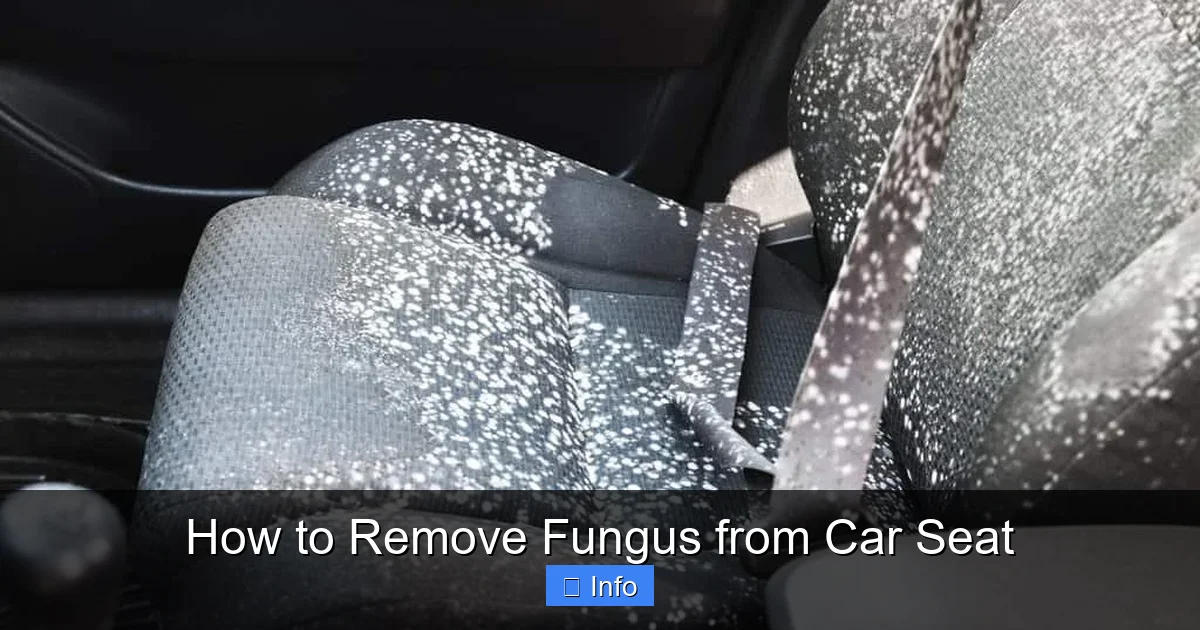
Visual guide about How to Remove Fungus from Car Seat
Image source: theleathermakers.com
Gear Up
Wear rubber gloves, safety glasses, and an N95 mask. Long sleeves help too. If you have asthma or a mold allergy, consider letting someone else handle the scrubbing.
Remove Loose Growth First
Take a vacuum with a brush attachment and gently lift away the fuzzy surface growth. Use short, slow passes. Pressing hard grinds spores deeper into the weave. Empty the vacuum canister into a sealed bag right after, ideally into an outdoor bin.
If you also have a pet-hair problem layered on top, tackle both jobs together. Our guide on how to remove pet hair from car seats covers the rubber-glove and squeegee tricks that work well before any wet cleaning begins.
Check the Foam
Press the seat firmly with your palm. If it feels damp or cool underneath, the padding is wet. Foam holds water for days, and no surface spray will fix that. In that case, plan on pulling the seat or running a fan on it for a long stretch before you treat it.
How to Remove Fungus from Car Seat: Step by Step
Here is the core process. It works on cloth, fabric, and most synthetic upholstery. Budget about two hours of active work, plus drying time.
Step 1: Vacuum Thoroughly
Cover every seam, crease, and bolster. Slide the seat all the way back and forward so you can reach the rails and the base. Mold loves the hidden gap where the seat meets the center console.
Step 2: Spray a Vinegar Solution
Pour white distilled vinegar into a spray bottle. Use it undiluted for stubborn patches, or mix one part vinegar with one part water for light growth. Saturate the visible spots until they are damp but not dripping.
Let it sit for a full hour. This dwell time is what actually kills the roots. Wiping immediately just smears the stain around.
Step 3: Scrub With a Soft Brush
Use a soft-bristled upholstery brush or an old toothbrush. Work in small circles, moving from the outside of the patch toward the center so you do not spread the colony. You should see dark residue lift onto the bristles.
Step 4: Blot, Do Not Soak
Press a clean microfiber towel into the area and lift. Repeat with fresh sections of towel until you stop pulling up moisture. If your seats are badly soaked, a wet/dry vacuum pulls far more water out than any towel.
Step 5: Treat With Baking Soda
Sprinkle baking soda generously over the damp patch. It absorbs leftover moisture and neutralizes the sour smell vinegar leaves behind. Let it sit overnight, then vacuum it up.
Step 6: Dry Completely
This is the step people skip, and it is the one that decides whether the fungus comes back. Park in direct sun with the windows cracked. Sunlight kills remaining spores and dries padding fast. If you would rather keep the car shaded, our tips on how to protect your car from the sun in open parking explain how to balance heat protection with airflow.
A box fan aimed into the open door for four to six hours finishes the job. Do not put the seat back in service until it is bone dry all the way through.
Cleaning Solutions That Actually Work
Vinegar handles most jobs, but you have options depending on what is under your sink.
White Vinegar
The best all-around choice. Cheap, safe on fabric, and effective against most household mold. The smell fades in a few hours.
Baking Soda Paste
Mix three parts baking soda with one part water into a thick paste. Spread it on the stain, let it dry hard, then vacuum. Great for stains that have already set into the fabric.
Rubbing Alcohol
70 percent isopropyl alcohol kills mold and evaporates fast, which means less water in the foam. Test a hidden spot first, since alcohol can dull some dyes.
Dish Soap and Warm Water
A mild grease-cutting soap lifts the slimy biofilm that mold grows on. Good as a follow-up after vinegar, not as a standalone killer.
Commercial Mold Removers
Products with quaternary ammonium compounds work well, but read the label. Avoid anything with bleach on colored fabric, and never mix cleaners. Bleach plus vinegar or ammonia creates toxic gas.
What to Avoid
- Bleach on upholstery. It kills color and leaves water behind.
- Too much water. Every extra cup soaks deeper into the foam.
- Scented sprays. They mask the smell for a day while the colony keeps growing.
Cleaning by Seat Material
Cloth and Fabric Seats
The method above is made for these. Fabric is porous, so expect a faint shadow to linger even after the mold is dead. A second vinegar pass usually clears it.
Leather Seats
Go gentler. Wipe with a cloth dampened in a 50/50 vinegar and water mix, then dry immediately with a fresh towel. Follow with a leather conditioner, because vinegar strips natural oils and can leave the surface stiff. Never let liquid pool in the seams.
If your leather also has residue buildup from old products, cleaning that first makes mold treatment far more effective. Our walkthrough on how to remove Armor All from leather covers stripping greasy layers without drying out the hide.
Vinyl and Leatherette
The easiest case. Wipe with vinegar, scrub lightly, rinse with a damp cloth, and dry. Non-porous surfaces rarely let growth take hold deep.
Seat Belts and Foam Inserts
Pull the belt all the way out and wipe both sides. A damp belt left retracted will grow mildew in the roll. For foam inserts, remove them if possible and let them dry in the sun for a full day.
Jeep and off-road owners deal with this constantly, since soft tops and open doors invite water inside. If that sounds familiar, our detailed guide on how to remove mold from Jeep seats goes deeper on drainage and weatherproofing.
How to Prevent Fungus From Coming Back
Cleaning is the easy part. Prevention is what keeps your cabin fresh six months later.
Kill the Moisture Source
Find out why the seat got wet. Check under the floor mats, clear the sunroof drains with a soft wire, and look for a cracked window seal. Fixing a ten-dollar drain beats recleaning a five-hundred-dollar seat.
Control Humidity Inside the Cabin
A small reusable dehumidifier bag on the floor works wonders. Silica gel packs from a hardware store cost almost nothing and last weeks. On humid days, run the AC on recirculate with the windows shut.
Windshield fogging is a clear sign of trapped moisture, and it usually means the same damp air is feeding your seats. Our guide on how to remove fog inside your car during rain explains what that moisture is telling you.
Build Simple Habits
- Take wet mats out and hang them to dry the same day.
- Never leave damp gym clothes, towels, or swimwear on a seat.
- Crack a window slightly if the car sits unused for more than a week.
- Vacuum monthly so spores have less organic dust to feed on.
- Blot spills instantly instead of letting them soak.
When to Call a Professional
Some jobs are bigger than a spray bottle. Call a detailer if the smell returns within two weeks, if black growth has spread across multiple seats, or if you see mold creeping onto the headliner or carpet. A shop can pull the seats, extract the foam, and treat the padding directly.
It is also worth getting help if anyone in the car has allergies, asthma, or a weakened immune system. Mold exposure in a small enclosed space is not something to gamble with.
Final Thoughts
Learning how to remove fungus from car seat upholstery is mostly about patience. Kill the growth with vinegar, lift the residue with a soft brush, pull the moisture out with baking soda, and dry the whole thing in the sun. Then spend ten minutes finding the leak or spill that caused it.
Do those things and your seats will look and smell normal again. Skip the drying step or ignore the moisture source, and you will be right back here in a month. A dry cabin is a mold-free cabin, and that simple rule is really the whole secret.
Frequently Asked Questions
Can fungus on a car seat make you sick?
Yes, it can. Mold spores in a small enclosed space trigger coughing, sneezing, headaches, and eye irritation, especially in people with allergies or asthma. The longer you drive in a contaminated cabin, the more spores you breathe in.
Does vinegar really kill car seat mold?
White distilled vinegar kills roughly 80 percent of common mold species and is safe on most fabrics. The key is dwell time. Spray it on, leave it for a full hour, then scrub. Wiping it off right away will not work.
Can I use bleach on moldy car seats?
It is not a good idea. Bleach damages fabric color and adds a lot of water to the foam, which is the exact condition mold needs. Vinegar, alcohol, or a commercial upholstery-safe mold remover are better choices.
How long do car seats take to dry after mold treatment?
Expect four to six hours with a fan and open windows, or a full day in direct sun if the padding was soaked. The seat must be dry all the way through, not just on the surface, before you use the car again.
Why does the musty smell come back after cleaning?
That usually means the foam underneath is still damp or still carrying active growth. Surface cleaning cannot reach padding, so the colony keeps producing that smell. Pull the moisture out fully or have the foam treated by a detailer.
How can I stop mold from growing on my seats again?
Remove moisture sources first, then keep humidity low with a dehumidifier bag or silica packs. Take out wet floor mats the same day, avoid leaving damp clothes on the seats, and vacuum monthly to remove the dust spores feed on.